

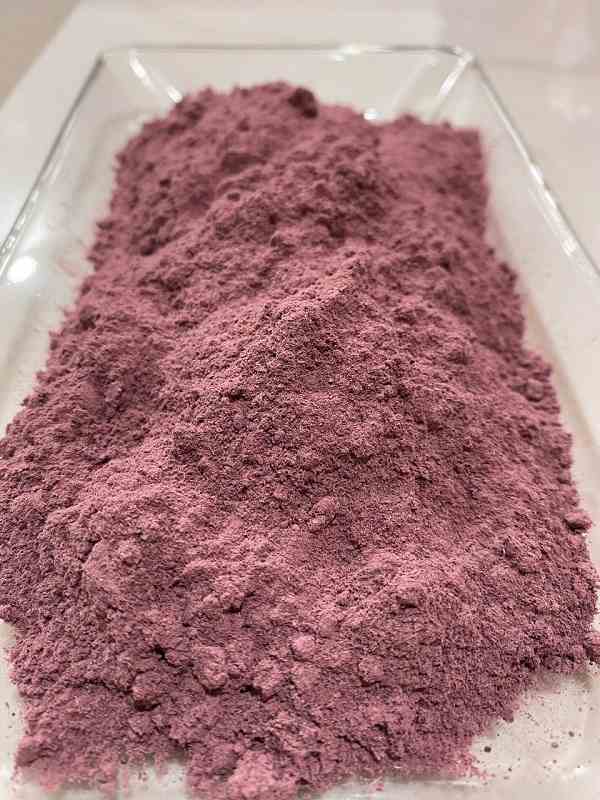

Price range: $130.00 through $800.00
Salvia is a greenish brown leaf that is smoked, you can buy salvia online , it is easy to find salvia for sale and order salvia online.
Buy Salvia Online
If you are interested in purchasing Salvia online, you are exploring a fascinating genus of plants that has captivated human interest for centuries. Salvia is a large and diverse group belonging to the mint family, Lamiaceae, renowned for its aromatic qualities, ornamental beauty, and versatile uses in traditional and modern contexts. This guide will walk you through everything you need to know about Salvia—from its botanical characteristics and traditional significance to its many applications and the importance of sustainable, ethical sourcing.
Understanding Salvia: Botanical
Salvia, commonly known as sage, comprises hundreds of species distributed globally, thriving naturally in diverse climates and regions. This genus includes a wide variety of plants, ranging from small herbaceous perennials to woody shrubs and subshrubs. They are primarily characterized by square stems, aromatic leaves, and tubular flowers that come in a spectrum of colors like purple, blue, red, pink, white, and yellow.
Geographic Distribution
Salvia species are native to numerous parts of the world, including:
- Central and South America: Home to many unique Salvia species, often adapted to mountainous terrains and tropical climates.
- The Mediterranean Basin: A region where several well-known species, such as Salvia officinalis (common sage), have been cultivated and utilized for thousands of years.
- Parts of Asia: Including China, India, and the Middle East, where Salvia species are integrated into traditional medicine and cultural rituals.
- North America: Hosting both wild and cultivated varieties, including the colorful and hardy Salvia splendens.
Botanical Characteristics
Salvia plants are typically recognized by their:
- Square stems: A hallmark of the mint family.
- Aromatic leaves: Many species produce fragrant oils that have culinary, medicinal, or aromatic uses.
- Distinctive flowers: Usually two-lipped and tubular, adapted to pollination by bees, hummingbirds, and butterflies.
- Adaptability: Ability to thrive in various soil types and climates, making them popular in gardens worldwide.
Traditional and Cultural Significance of Salvia
The importance of Salvia extends far beyond its botanical features; it holds a rich heritage in traditional practices, ceremonial uses, and medicinal applications.
Ceremonial and Spiritual Use
Certain Salvia species, such as Salvia divinorum, have been used by indigenous cultures, especially in Mexico, for spiritual and shamanic purposes. These plants were revered as sacred tools for healing, divination, and connecting with higher states of consciousness. In many cultures, Salvia is burned as incense or used in smudging rituals to cleanse spaces and promote positive energy.
Medicinal Applications
Historically, various Salvia species have been valued for their healing properties. Traditional medicine systems across the world have incorporated Salvia for:
- Calming effects: Used to alleviate anxiety, stress, or insomnia.
- Digestive health: Some species are consumed as teas to soothe digestive ailments.
- Anti-inflammatory and antimicrobial benefits: Salvia extracts have been applied topically or ingested to help combat infections and inflammation.
- Respiratory support: Certain Salvia species were used in remedies for colds, coughs, and respiratory discomfort.
Culinary and Aromatic Uses
Salvia officinalis, or common sage, is one of the most widely recognized culinary herbs, used globally to flavor meats, stuffings, sauces, and more. The aromatic oils extracted from some species are also used in perfumery and aromatherapy, appreciated for their refreshing and invigorating scents.
Diverse Uses and Applications of Salvia
Salvia’s versatility is evident in the many ways it is used today, from horticulture to health products and beyond.
Gardening and Landscaping
Salvia plants are prized in gardens and landscapes for their:
- Vibrant and long-lasting flowers: Which provide visual interest throughout the growing season.
- Ability to attract pollinators: Bees, butterflies, and hummingbirds are naturally drawn to Salvia blooms, promoting biodiversity and healthy ecosystems.
- Drought tolerance: Many Salvia species thrive in dry, sunny locations, making them ideal for water-wise gardening.
Herbal Remedies and Wellness Products
Salvia has found a niche in the world of natural wellness. Various products incorporate Salvia for its beneficial compounds:
- Herbal teas and infusions: Offering calming and digestive benefits.
- Essential oils and aromatherapy: Used for relaxation, mood enhancement, and respiratory support.
- Topical applications: Creams and balms made from Salvia extracts to soothe skin irritations or muscle discomfort.
Modern Research and Potential
Scientific interest in Salvia continues to grow, focusing on its bioactive compounds such as flavonoids, diterpenoids, and essential oils. Research is exploring the potential use of Salvia extracts in areas including:
- Neuroprotection: Compounds in some species may support cognitive health.
- Antioxidant properties: Helping to combat oxidative stress.
- Antibacterial and antifungal activity: Offering natural alternatives to conventional treatments.
Buying Salvia Online: What You Should Know
With the increasing popularity of Salvia plants and products, many people are turning to online sources for convenience and variety. If you are considering buying Salvia online, here are some key points to keep in mind:
Quality and Authenticity
- Reputable sellers: Choose vendors who provide clear information about species, origin, and cultivation practices.
- Seed or plant health: Look for guarantees regarding germination rates and plant health.
- Product transparency: For herbal or extract products, check for details on ingredients, extraction methods, and lab testing.
Legal Considerations
- Different Salvia species may be regulated differently depending on your location. For example, Salvia divinorum is controlled in some countries or states due to its psychoactive properties.
- Always verify local laws before purchasing or using Salvia products to ensure compliance and avoid legal issues.
Sustainability and Ethical Sourcing of Salvia
As demand for Salvia grows, it is crucial to emphasize responsible cultivation and ethical sourcing to protect natural populations and ecosystems.
Sustainable Harvesting
- Wild harvesting risks: Overharvesting wild Salvia species can threaten their survival and disrupt habitats.
- Cultivation practices: Supporting growers who use sustainable, organic, or regenerative farming methods helps maintain biodiversity and soil health.
- Conservation efforts: Engaging with or supporting organizations that protect native Salvia species contributes to long-term preservation.
Ethical Business Practices
- Fair trade: Ensuring that growers and harvesters receive fair compensation.
- Transparency: Ethical sellers openly share their sourcing and production practices.
- Environmental impact: Minimizing packaging waste, using eco-friendly shipping methods, and reducing carbon footprint all contribute to a more sustainable marketplace.
| Quantity | 10 g, 25 g, 100 g |
|---|
7 reviews for BUY SALVIA ONLINE
Add a review
Related products

hallucinogen for sale

hallucinogen for sale
hallucinogen for sale
hallucinogen for sale

hallucinogen for sale
Tripstar –
Quality okay. Delivery was the main thing I cared about and that part went smooth
Sam –
nobody peeped nothing 👀 quality real nice too
Zamani –
shipping annoyed me ngl 😤 product cool but yeah
Chris –
Didn’t blow my mind but it’s legit. Not no scam site
Dacosta –
Was lowkey nervous whole time waitin 😂 but it showed up
Jago –
Too many scams online these days so I waited before reviewin. This one real. Quality on point.
Schmidt –
Real product. No funny business